How Professional Tree Restoration Can Save Storm-Damaged Trees
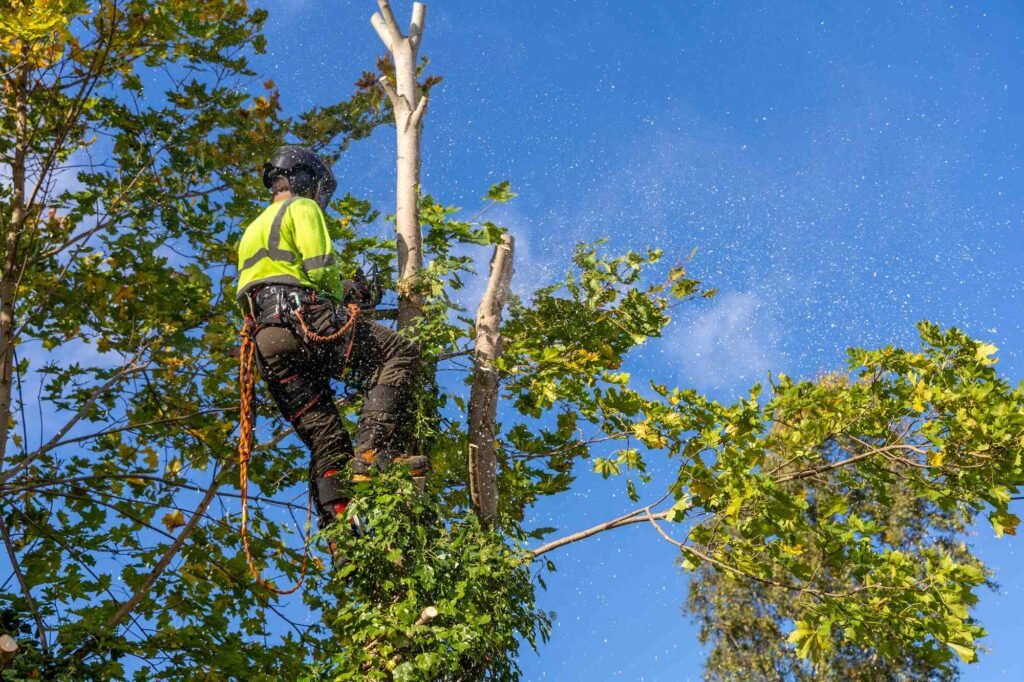
After a severe storm, many property owners assume that every damaged tree needs to be removed. While some trees become too hazardous to save, many can recover with proper restoration techniques. Professional tree restoration focuses on strengthening damaged trees, encouraging healthy regrowth, and restoring structural stability whenever possible. What Is Tree Restoration? Tree restoration is the process of helping a damaged or neglected tree regain its health and structure. Rather than removing the tree immediately, professionals evaluate the extent of the damage and create a recovery plan based on the tree’s condition. Restoration may involve: Every restoration plan is customized to the individual tree. Not Every Storm-Damaged Tree Needs Removal Broken branches do not always mean a tree is beyond saving. If the trunk and root system remain healthy, restoration may be a practical option. Professional inspections determine whether a tree can safely recover or if removal is the better solution. Restore Natural Tree Structure Storms often leave trees with uneven canopies, torn branches, and poor weight distribution. If these issues are ignored, future growth may become unstable. Corrective pruning helps: Restoring natural structure improves both safety and appearance. Encourage Healthy New Growth Trees naturally begin producing new shoots after major damage. However, not all new growth develops into strong branches. Professional tree care removes weak or poorly positioned shoots while encouraging healthy branch formation that supports long-term stability. Improve Tree Recovery A damaged tree requires additional resources while healing. Proper recovery care may include: Supporting the tree during recovery increases the likelihood of successful restoration. Monitor Hidden Damage Some storm damage is not immediately visible. Internal cracks, root movement, and weakened branch attachments may develop over time. Regular follow-up inspections help professionals monitor recovery and identify problems before they become safety hazards. Benefits of Tree Restoration Restoring a tree instead of removing it can provide several long-term benefits: Saving healthy trees whenever possible also benefits the surrounding environment. Why Professional Restoration Is Important Tree restoration requires specialized knowledge of tree biology, structural stability, and proper pruning techniques. Incorrect pruning after storm damage can permanently weaken a tree or create additional hazards. Professional tree specialists understand how to guide damaged trees through the recovery process while maintaining safety. Conclusion Storm damage does not always mean the end of a tree’s life. With professional restoration, many trees can recover and continue providing shade, beauty, and environmental benefits for years to come. Through careful evaluation, corrective pruning, and ongoing maintenance, tree restoration offers property owners a practical way to preserve valuable trees while maintaining a safe and attractive landscape.
How Tree Preservation Planning Saves Mature Trees During Property Improvements
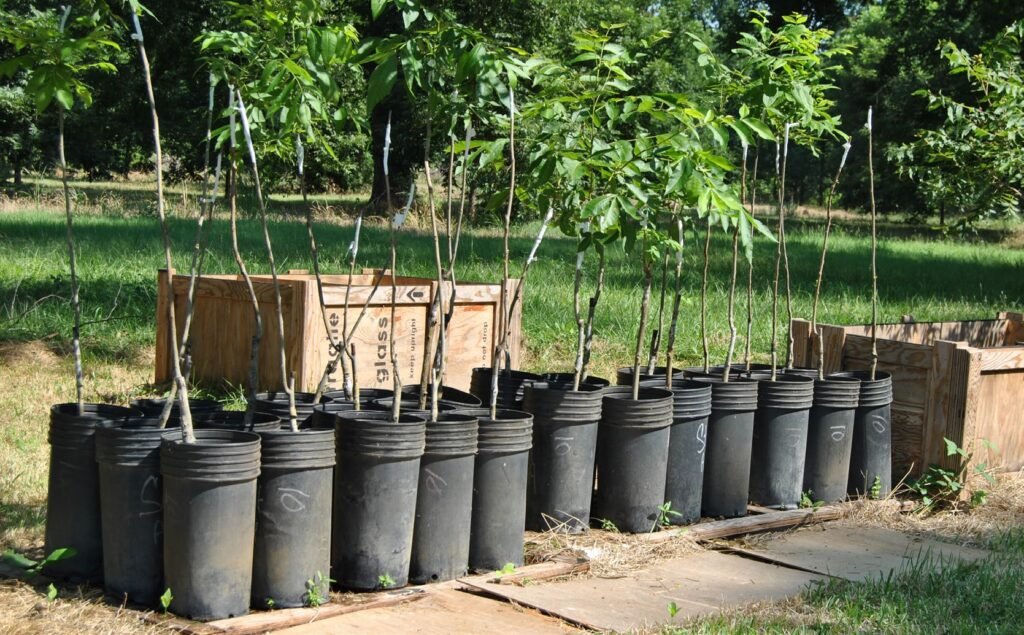
Home improvement projects such as home additions, driveway expansions, landscaping upgrades, and utility installations can unintentionally damage nearby trees. Without proper planning, construction activities may harm roots, compact soil, or weaken tree stability. Tree preservation planning helps property owners complete improvements while protecting mature trees that add beauty and value to the landscape. Why Mature Trees Are Worth Protecting Large trees provide benefits that newly planted trees cannot replace for many years. They offer extensive shade, improve air quality, reduce noise, and increase property value. Preserving mature trees also helps: Protecting these trees is often more cost-effective than replacing them. Construction Can Damage Trees Without Direct Contact Many homeowners assume a tree is safe as long as its trunk is untouched. In reality, most construction damage occurs underground where roots are easily affected. Common construction-related risks include: These problems may not become visible until months or even years after construction is complete. Establish a Tree Protection Zone Before any project begins, professionals identify a protected area around valuable trees. This zone helps prevent unnecessary disturbance to the root system. A tree protection zone may include: Keeping construction activities outside this area greatly improves tree survival. Monitor Tree Health Throughout the Project Construction projects often last weeks or months, making regular inspections important. Tree care professionals monitor signs of stress such as: Early detection allows corrective action before permanent damage occurs. Support Tree Recovery After Construction Even with proper precautions, trees may experience some level of stress during nearby work. Post-construction care helps trees recover more quickly. Recovery services may include: These treatments encourage healthy root growth and long-term stability. Balance Development With Landscape Preservation Tree preservation planning allows homeowners to improve their property without sacrificing established trees. Careful planning often makes it possible to complete construction while maintaining the landscape’s natural beauty. This balanced approach benefits both the property and the environment. Why Professional Tree Preservation Matters Tree preservation requires knowledge of tree biology, root systems, and construction impacts. Professional tree care specialists work alongside contractors to identify risks, create protection strategies, and recommend solutions that support healthy trees throughout the project. Their expertise helps reduce unnecessary tree loss. Conclusion Property improvements and healthy trees can successfully coexist with proper planning. Tree preservation strategies protect mature trees from construction-related damage while maintaining the beauty, safety, and value of your landscape. Investing in professional tree preservation before construction begins helps ensure your valuable trees continue thriving long after the project is complete.
How Tree Canopy Management Improves Property Safety and Landscape Health
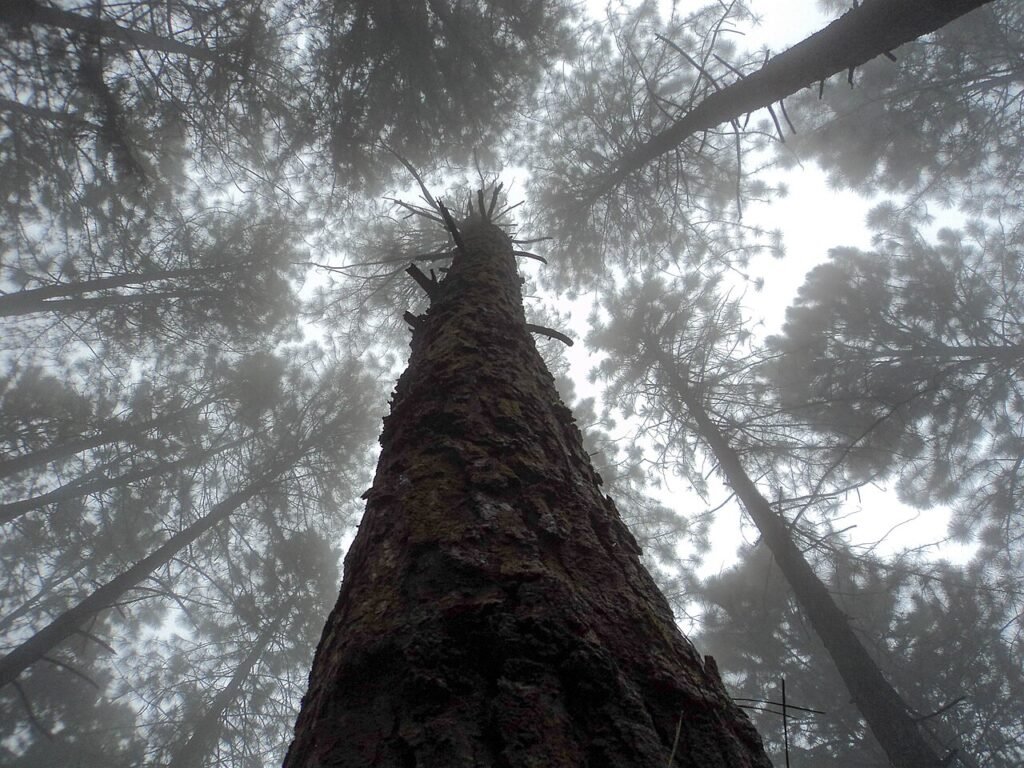
A tree’s canopy is one of its most important features. It provides shade, improves air quality, and enhances the appearance of your landscape. However, when a canopy becomes too dense or unbalanced, it can create safety concerns and reduce the tree’s overall health. Professional tree canopy management helps maintain strong, healthy trees while protecting your property from preventable damage. What Is Tree Canopy Management? Tree canopy management is the process of maintaining the size, density, and structure of a tree’s upper branches. Instead of removing large portions of the tree, professionals selectively prune branches to improve balance, airflow, and sunlight penetration. The objective is to preserve the tree’s natural shape while supporting healthy growth. Improve Sunlight Distribution An overgrown canopy can block sunlight from reaching lawns, flower beds, shrubs, and other landscape features. Proper canopy management allows more natural light to reach: Improved sunlight encourages healthier growth throughout your landscape. Increase Air Circulation Dense canopies trap moisture, creating favorable conditions for fungal diseases and insect activity. Selective pruning improves airflow by: Healthy airflow reduces environmental stress on the tree. Reduce Wind Resistance Large, dense canopies catch strong winds like a sail. During storms, excessive wind resistance increases stress on branches and the trunk. Professional canopy management reduces wind pressure while maintaining the tree’s natural appearance, making it more resistant to storm damage. Maintain Structural Balance Trees do not always grow evenly. Heavy growth on one side can create an unbalanced canopy that places unnecessary stress on major limbs. Corrective canopy management helps: Balanced trees are generally stronger and safer. Protect Buildings and Outdoor Spaces Branches extending over roofs, driveways, sidewalks, and outdoor living areas require regular attention. Managing canopy growth helps prevent branches from interfering with: This reduces the likelihood of property damage and improves public safety. Encourage Long-Term Tree Health Healthy canopy management improves the tree’s ability to produce energy through photosynthesis while reducing competition between overcrowded branches. Routine maintenance also allows professionals to identify early signs of: Early intervention often prevents more serious problems. Why Professional Canopy Management Matters Improper pruning can permanently damage a tree and lead to weak regrowth. Professional tree care specialists understand tree biology, growth habits, and proper pruning techniques to maintain healthy canopies without causing unnecessary stress. Their expertise helps trees remain attractive, structurally sound, and resilient. Conclusion Tree canopy management is an essential part of maintaining healthy, beautiful, and safe landscapes. By improving airflow, increasing sunlight, balancing growth, and reducing storm risks, professional canopy care helps trees thrive while protecting nearby structures. Regular maintenance ensures your trees continue providing lasting beauty, shade, and environmental benefits for many years.
Why Deadwood Removal Is Essential for Healthy and Safe Trees
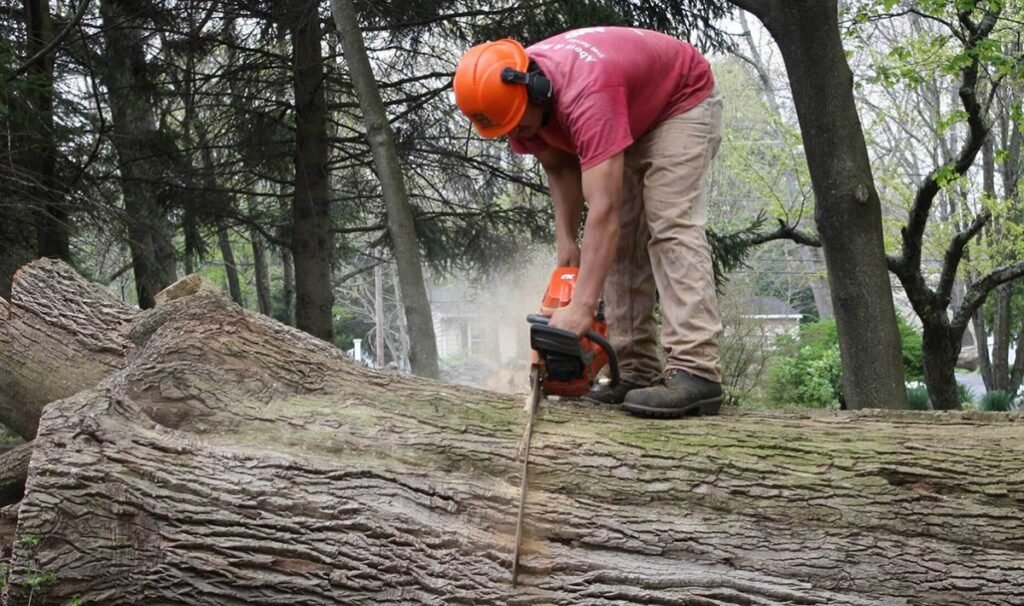
Trees naturally lose branches as they grow, age, and respond to environmental conditions. While a few dead branches may seem harmless, leaving deadwood in a tree can create safety hazards, encourage disease, and reduce the tree’s overall health. Professional deadwood removal is a preventive tree care service that improves tree vitality while protecting nearby people and property. What Is Deadwood? Deadwood refers to branches that are no longer alive and no longer receive water or nutrients from the tree. These branches eventually become dry, brittle, and unstable. Deadwood can develop because of: Removing these branches helps the tree remain healthier and safer. Reduce the Risk of Falling Branches Dead branches are much more likely to break without warning. Even on calm days, dry limbs can fall because they have lost their structural strength. Removing deadwood helps protect: Preventive maintenance significantly reduces the chance of unexpected accidents. Improve Tree Health Dead branches no longer contribute to a tree’s growth, but they can still attract insects and create entry points for diseases. Professional deadwood removal helps: Healthy trees are better equipped to recover from environmental stress. Increase Storm Resistance Strong winds, heavy rain, and snow place extra weight on dead branches. Because these limbs are already weak, they often become the first parts of the tree to fail during severe weather. Removing deadwood before storm season strengthens the tree and lowers the risk of storm-related damage. Enhance the Appearance of Your Landscape Dead branches can make even a healthy tree look neglected. Removing them creates a cleaner, fuller canopy and improves the overall appearance of your property. Well-maintained trees contribute to: Support Wildlife Safely While some deadwood can provide habitat in natural forests, dead branches on residential or commercial properties often pose unnecessary risks. Professional tree care balances environmental considerations with public safety by removing hazardous deadwood while preserving healthy tree structure. When Should Deadwood Be Removed? Homeowners should consider scheduling an inspection if they notice: Early removal helps prevent larger problems later. Why Hire Professional Tree Specialists? Removing deadwood often requires climbing, specialized equipment, and knowledge of proper pruning techniques. Professionals know how to remove hazardous branches safely without damaging the healthy parts of the tree. They can also identify underlying issues that caused the branch to die and recommend additional maintenance if necessary. Conclusion Deadwood removal is one of the simplest and most effective ways to improve tree safety and long-term health. By removing brittle branches before they fall, homeowners can reduce risks, prevent disease, and maintain beautiful, healthy trees throughout the year. Regular inspections and professional maintenance ensure your trees continue to thrive while protecting your property and everyone around it.
Why Neighboring Trees Should Never Be Treated as One Tree
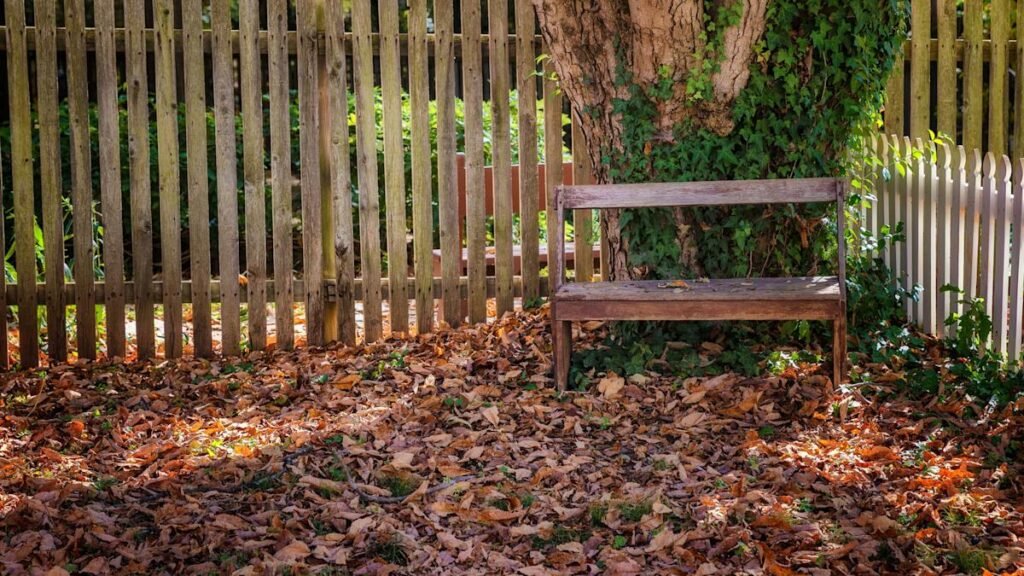
Many property owners assume that if several trees are growing close together, they can all be maintained the same way. In reality, every tree has its own root system, growth pattern, structural condition, and maintenance needs. Treating neighboring trees as a single unit can lead to poor growth, safety hazards, and unnecessary tree loss. A professional evaluation ensures each tree receives the care it requires. Every Tree Competes for Resources Even when trees appear to grow together, they compete for the same essential resources, including: If one tree becomes unhealthy or overly dominant, nearby trees may struggle to receive enough resources to remain healthy. Different Species Require Different Care Not all trees grow at the same rate or respond to pruning in the same way. Some species require seasonal pruning, while others should only be trimmed during dormancy. Applying the same maintenance schedule to every tree can: Professional tree care considers the unique needs of each species. Crowded Canopies Can Hide Problems When tree canopies overlap, it’s easy to overlook structural issues hidden beneath the foliage. Common problems include: Routine inspections help identify these issues before they become major hazards. Root Competition Can Affect Stability Trees planted too closely together often develop competing root systems. Over time, this competition may weaken one or more trees, especially during drought or severe weather. Professional evaluations can determine whether selective pruning, soil improvements, or tree removal is needed to maintain a healthy balance. Disease Can Spread Between Nearby Trees Trees growing close together are more likely to spread fungal diseases and insect infestations through root systems, touching branches, or airborne spores. Early identification allows professionals to isolate affected trees before nearby healthy trees become infected. Proper Spacing Improves Long-Term Health As trees mature, overcrowding becomes a larger issue. Selective pruning or, in some cases, removing one declining tree can improve: Giving healthy trees more space often extends their lifespan. Customized Care Produces Better Results Instead of using the same maintenance plan for every tree, professional arborists evaluate each one individually. They consider: This customized approach helps preserve healthy trees while reducing unnecessary risks. Benefits of Individual Tree Assessments Regular evaluations provide several long-term advantages: Conclusion Although neighboring trees may appear similar, each one has unique needs that require individual attention. Professional tree care focuses on the health, structure, and condition of every tree rather than applying a one-size-fits-all approach. By evaluating trees separately, property owners can promote healthier growth, reduce safety risks, and maintain a stronger, more attractive landscape for years to come.