How Much Does Tree Cutting Cost in Bronx, NY? Complete 2026 Price Guide
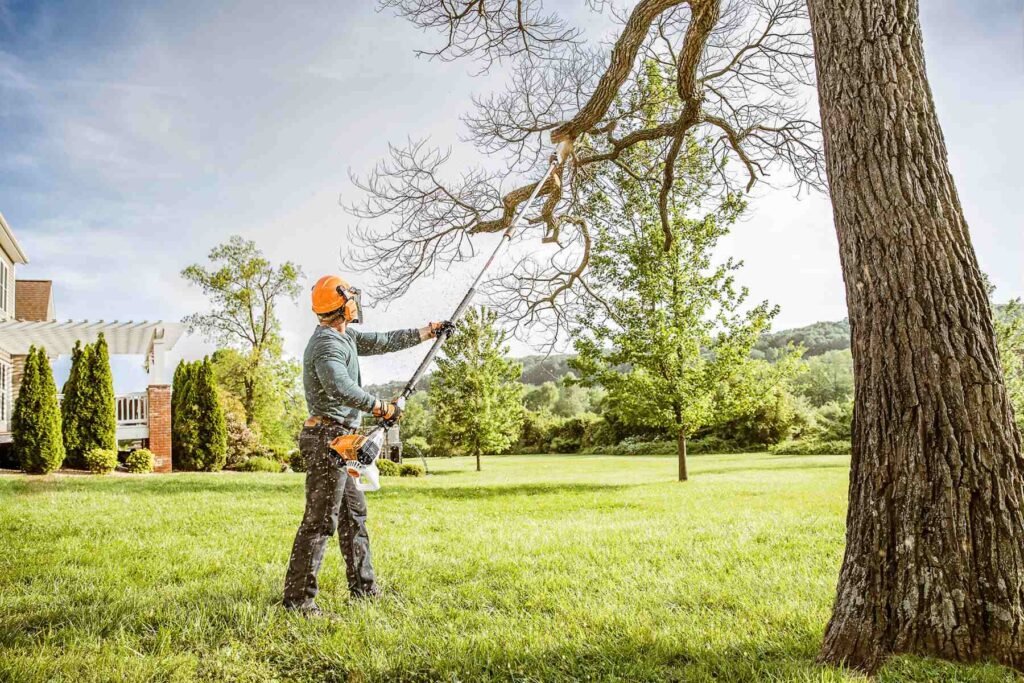
You contact three Bronx tree removal firms and receive three completely different quotes: $400, $1,200, and $2,800. So which one is correct? Probably all of them, depending on what’s included. In 2026, prices for tree removal can vary significantly depending on the diameter of the tree, its condition, the species of the tree and the access to the tree on a constrained Bronx lot. When a quote is labeled “cheap”, it is probably because they didn’t include stump grinding, debris removal or permit fees in the quote and added them as extras after the job started. Meanwhile, a higher quote might already include everything start to finish. This guide details the actual 2026 prices based on the size of the tree, what charges are usually hidden in a quote, and how to spot a missing quote. Average Tree Cutting Costs by Size Tree size remains the single biggest factor in almost every quote, since it determines labor time, equipment needs, and crew size. Tree Height Typical Cost Range Small (under 30 ft) $150 – $450 Medium (30–60 ft) $450 – $1,500 Large (60–80 ft) $1,000 – $2,000 Very large (80+ ft) $1,500 – $5,000+ A small ornamental tree tucked in a Bronx backyard might run closer to $200, while a mature hardwood pushing 80 feet near a rowhouse or overhead line can easily exceed $3,000, particularly if a crane is required to safely lower sections over a roof or fence line. What Actually Drives the Price Beyond Height The diameter of the trunk is as important as height. It is a significant difference in wood volume removed when a tree is measured by diameter at breast height (DBH) over 24 inches as opposed to a tree of the same height but smaller diameter. Tree condition is one thing that many homeowners have incorrect. It is logical that as the trees are healthy, it should cost less than if they were dead trees, and the opposite is usually the case. A tree with decayed, brittle wood can be unpredictable and can snap or drop without warning, and may require the crew to slow down and rope each section of the tree or sometimes use a crane instead of a chainsaw to fell. This extra precaution is evident in the bill itself. Species type also plays a role. Common Bronx trees such as hardwoods (oak and maple) are harder to cut through and are generally more expensive to take down than lighter, softer trees. Trees with several trunks and/or wide-spreading branches introduce increased complexity and time. Accessibility is where Bronx pricing tends to diverge most sharply from national averages. Sometimes this will result in additional time and manpower needed, and additional costs for the job, as a tree that is tucked behind a garage, between two connected homes or right under power lines cannot always be accessed with standard equipment and will typically cost 25-50 percent more than a similar job with open access. What’s Typically Not Included in a Base Quote A lot of tree removal quotes only cover tree removal to the ground. Even if it seems like an all-inclusive quote, it’s good to clarify what’s included. Stump grinding cost is usually $150 to $500 per stump, and is often charged on a per-inch basis, depending on the stump diameter. When the soil is dug up for grading, all the above ground stubs are cut and removed down to 6 to 12 inches, but the deeper roots are left and will die off over time. When a homeowner wants to build or plant right in the same location, a more disruptive option usually gets the job done, and is often available for $300-$500 or more. Another popular optional is debris hauling, which ranges from $50 to $150, depending on amount of debris. Some companies will include it in the base quote; others will charge it as a separate item; you should always ask about this. Costs of Bronx tree removal may also include permits, especially if the tree is on the street or a landmarked property, that must be approved by the NYC Parks Department before the tree is removed. Emergency Tree Cutting Costs The time of day, the time of year and the need for timely service due to storm damage and dangerous leaning trees is critical and the pricing reflects that. Generally, emergency removals can cost between 50% and 100% more than a normal scheduled removal, and will range in total cost between $1,500 and $5,000 depending on the size of the tree and work required to remove it. When trees are leaning against Bronx houses or entangled in power lines after a storm or are obstructing the only driveway access to a property, they will typically be placed into this higher tier of emergency pricing because crews will need to respond quickly and may need to work under more challenging and dangerous conditions than a pre-planned removal. Tree Trimming vs. Full Removal: A Cost Comparison Not all tree issues need to be solved by complete removal and it’s worth considering whether a trim might be able to resolve the issue at a much lower cost. The cost of tree trimming and pruning is $200 to $900 per tree, compared to the $several hundred to several thousand dollars it can cost to remove a tree. A good arborist will also be honest with you if they believe that removal is not the right option, for example if a tree has several dead branches and trimming would achieve the desired effect, or if limbs are overgrown in the area of a structure or if the canopy of a tree just needs to be thinned out. Does Homeowners Insurance Cover Tree Removal in the Bronx? Coverage depends greatly on the particular scenario. Most homeowners policies will provide coverage for tree removal if the tree is brought down by a covered peril such as a windstorm or lightning strike, and fell on a structure covered by the policy such as
How Professional Tree Restoration Can Save Storm-Damaged Trees
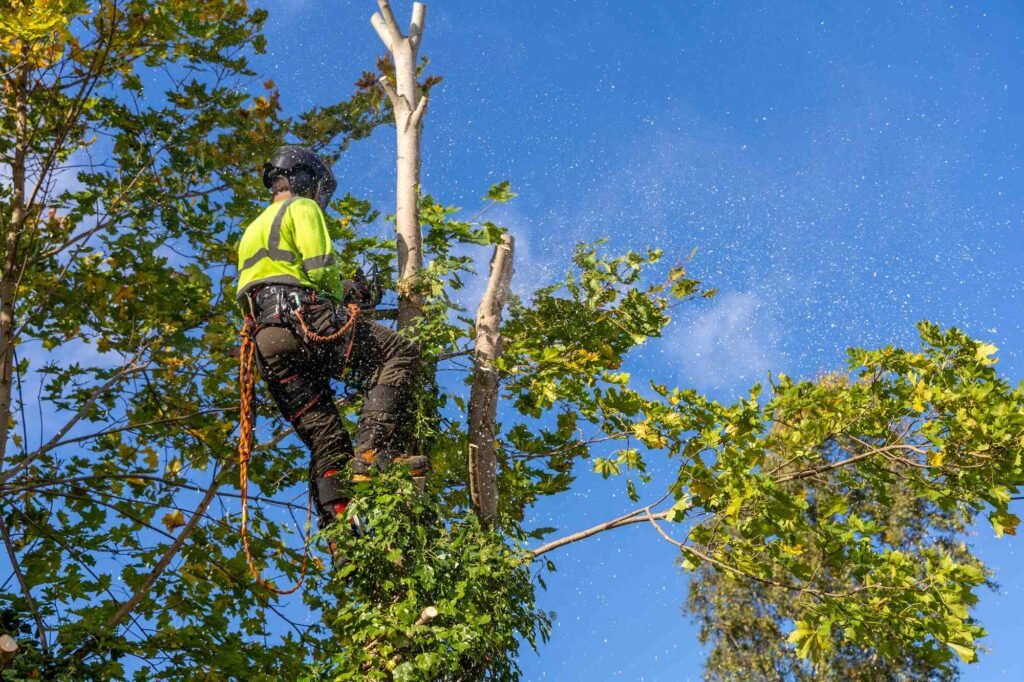
After a severe storm, many property owners assume that every damaged tree needs to be removed. While some trees become too hazardous to save, many can recover with proper restoration techniques. Professional tree restoration focuses on strengthening damaged trees, encouraging healthy regrowth, and restoring structural stability whenever possible. What Is Tree Restoration? Tree restoration is the process of helping a damaged or neglected tree regain its health and structure. Rather than removing the tree immediately, professionals evaluate the extent of the damage and create a recovery plan based on the tree’s condition. Restoration may involve: Every restoration plan is customized to the individual tree. Not Every Storm-Damaged Tree Needs Removal Broken branches do not always mean a tree is beyond saving. If the trunk and root system remain healthy, restoration may be a practical option. Professional inspections determine whether a tree can safely recover or if removal is the better solution. Restore Natural Tree Structure Storms often leave trees with uneven canopies, torn branches, and poor weight distribution. If these issues are ignored, future growth may become unstable. Corrective pruning helps: Restoring natural structure improves both safety and appearance. Encourage Healthy New Growth Trees naturally begin producing new shoots after major damage. However, not all new growth develops into strong branches. Professional tree care removes weak or poorly positioned shoots while encouraging healthy branch formation that supports long-term stability. Improve Tree Recovery A damaged tree requires additional resources while healing. Proper recovery care may include: Supporting the tree during recovery increases the likelihood of successful restoration. Monitor Hidden Damage Some storm damage is not immediately visible. Internal cracks, root movement, and weakened branch attachments may develop over time. Regular follow-up inspections help professionals monitor recovery and identify problems before they become safety hazards. Benefits of Tree Restoration Restoring a tree instead of removing it can provide several long-term benefits: Saving healthy trees whenever possible also benefits the surrounding environment. Why Professional Restoration Is Important Tree restoration requires specialized knowledge of tree biology, structural stability, and proper pruning techniques. Incorrect pruning after storm damage can permanently weaken a tree or create additional hazards. Professional tree specialists understand how to guide damaged trees through the recovery process while maintaining safety. Conclusion Storm damage does not always mean the end of a tree’s life. With professional restoration, many trees can recover and continue providing shade, beauty, and environmental benefits for years to come. Through careful evaluation, corrective pruning, and ongoing maintenance, tree restoration offers property owners a practical way to preserve valuable trees while maintaining a safe and attractive landscape.
How Tree Preservation Planning Saves Mature Trees During Property Improvements
Home improvement projects such as home additions, driveway expansions, landscaping upgrades, and utility installations can unintentionally damage nearby trees. Without proper planning, construction activities may harm roots, compact soil, or weaken tree stability. Tree preservation planning helps property owners complete improvements while protecting mature trees that add beauty and value to the landscape. Why Mature Trees Are Worth Protecting Large trees provide benefits that newly planted trees cannot replace for many years. They offer extensive shade, improve air quality, reduce noise, and increase property value. Preserving mature trees also helps: Protecting these trees is often more cost-effective than replacing them. Construction Can Damage Trees Without Direct Contact Many homeowners assume a tree is safe as long as its trunk is untouched. In reality, most construction damage occurs underground where roots are easily affected. Common construction-related risks include: These problems may not become visible until months or even years after construction is complete. Establish a Tree Protection Zone Before any project begins, professionals identify a protected area around valuable trees. This zone helps prevent unnecessary disturbance to the root system. A tree protection zone may include: Keeping construction activities outside this area greatly improves tree survival. Monitor Tree Health Throughout the Project Construction projects often last weeks or months, making regular inspections important. Tree care professionals monitor signs of stress such as: Early detection allows corrective action before permanent damage occurs. Support Tree Recovery After Construction Even with proper precautions, trees may experience some level of stress during nearby work. Post-construction care helps trees recover more quickly. Recovery services may include: These treatments encourage healthy root growth and long-term stability. Balance Development With Landscape Preservation Tree preservation planning allows homeowners to improve their property without sacrificing established trees. Careful planning often makes it possible to complete construction while maintaining the landscape’s natural beauty. This balanced approach benefits both the property and the environment. Why Professional Tree Preservation Matters Tree preservation requires knowledge of tree biology, root systems, and construction impacts. Professional tree care specialists work alongside contractors to identify risks, create protection strategies, and recommend solutions that support healthy trees throughout the project. Their expertise helps reduce unnecessary tree loss. Conclusion Property improvements and healthy trees can successfully coexist with proper planning. Tree preservation strategies protect mature trees from construction-related damage while maintaining the beauty, safety, and value of your landscape. Investing in professional tree preservation before construction begins helps ensure your valuable trees continue thriving long after the project is complete.
How Tree Canopy Management Improves Property Safety and Landscape Health
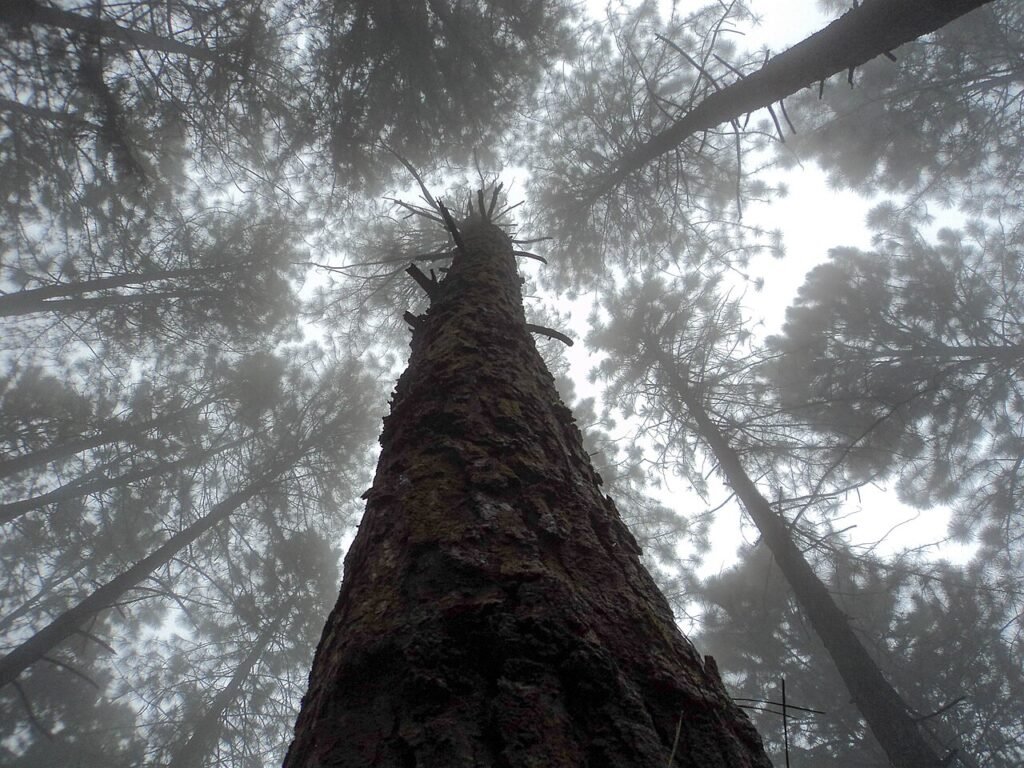
A tree’s canopy is one of its most important features. It provides shade, improves air quality, and enhances the appearance of your landscape. However, when a canopy becomes too dense or unbalanced, it can create safety concerns and reduce the tree’s overall health. Professional tree canopy management helps maintain strong, healthy trees while protecting your property from preventable damage. What Is Tree Canopy Management? Tree canopy management is the process of maintaining the size, density, and structure of a tree’s upper branches. Instead of removing large portions of the tree, professionals selectively prune branches to improve balance, airflow, and sunlight penetration. The objective is to preserve the tree’s natural shape while supporting healthy growth. Improve Sunlight Distribution An overgrown canopy can block sunlight from reaching lawns, flower beds, shrubs, and other landscape features. Proper canopy management allows more natural light to reach: Improved sunlight encourages healthier growth throughout your landscape. Increase Air Circulation Dense canopies trap moisture, creating favorable conditions for fungal diseases and insect activity. Selective pruning improves airflow by: Healthy airflow reduces environmental stress on the tree. Reduce Wind Resistance Large, dense canopies catch strong winds like a sail. During storms, excessive wind resistance increases stress on branches and the trunk. Professional canopy management reduces wind pressure while maintaining the tree’s natural appearance, making it more resistant to storm damage. Maintain Structural Balance Trees do not always grow evenly. Heavy growth on one side can create an unbalanced canopy that places unnecessary stress on major limbs. Corrective canopy management helps: Balanced trees are generally stronger and safer. Protect Buildings and Outdoor Spaces Branches extending over roofs, driveways, sidewalks, and outdoor living areas require regular attention. Managing canopy growth helps prevent branches from interfering with: This reduces the likelihood of property damage and improves public safety. Encourage Long-Term Tree Health Healthy canopy management improves the tree’s ability to produce energy through photosynthesis while reducing competition between overcrowded branches. Routine maintenance also allows professionals to identify early signs of: Early intervention often prevents more serious problems. Why Professional Canopy Management Matters Improper pruning can permanently damage a tree and lead to weak regrowth. Professional tree care specialists understand tree biology, growth habits, and proper pruning techniques to maintain healthy canopies without causing unnecessary stress. Their expertise helps trees remain attractive, structurally sound, and resilient. Conclusion Tree canopy management is an essential part of maintaining healthy, beautiful, and safe landscapes. By improving airflow, increasing sunlight, balancing growth, and reducing storm risks, professional canopy care helps trees thrive while protecting nearby structures. Regular maintenance ensures your trees continue providing lasting beauty, shade, and environmental benefits for many years.
Why Deadwood Removal Is Essential for Healthy and Safe Trees
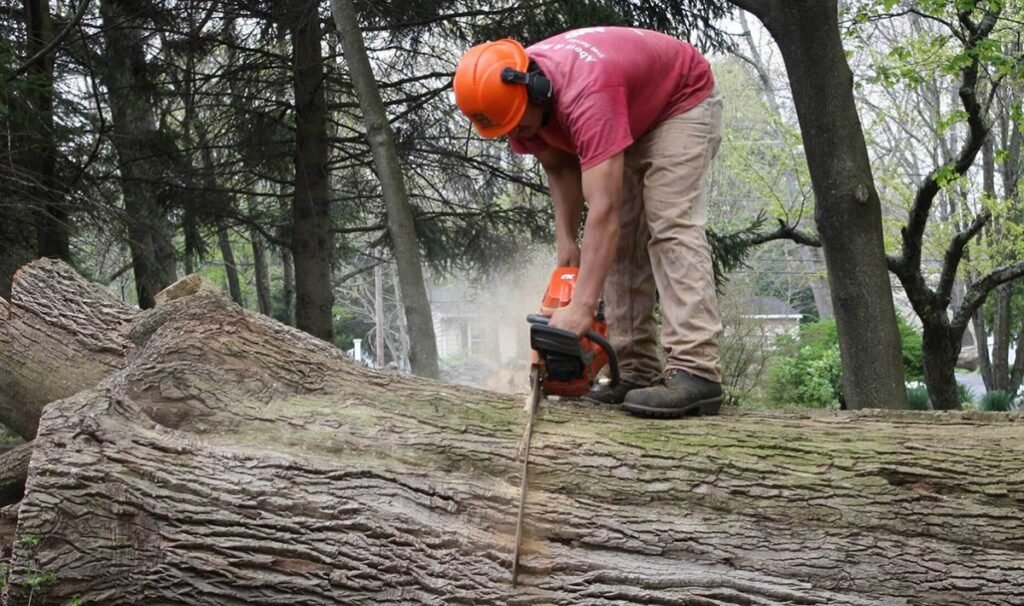
Trees naturally lose branches as they grow, age, and respond to environmental conditions. While a few dead branches may seem harmless, leaving deadwood in a tree can create safety hazards, encourage disease, and reduce the tree’s overall health. Professional deadwood removal is a preventive tree care service that improves tree vitality while protecting nearby people and property. What Is Deadwood? Deadwood refers to branches that are no longer alive and no longer receive water or nutrients from the tree. These branches eventually become dry, brittle, and unstable. Deadwood can develop because of: Removing these branches helps the tree remain healthier and safer. Reduce the Risk of Falling Branches Dead branches are much more likely to break without warning. Even on calm days, dry limbs can fall because they have lost their structural strength. Removing deadwood helps protect: Preventive maintenance significantly reduces the chance of unexpected accidents. Improve Tree Health Dead branches no longer contribute to a tree’s growth, but they can still attract insects and create entry points for diseases. Professional deadwood removal helps: Healthy trees are better equipped to recover from environmental stress. Increase Storm Resistance Strong winds, heavy rain, and snow place extra weight on dead branches. Because these limbs are already weak, they often become the first parts of the tree to fail during severe weather. Removing deadwood before storm season strengthens the tree and lowers the risk of storm-related damage. Enhance the Appearance of Your Landscape Dead branches can make even a healthy tree look neglected. Removing them creates a cleaner, fuller canopy and improves the overall appearance of your property. Well-maintained trees contribute to: Support Wildlife Safely While some deadwood can provide habitat in natural forests, dead branches on residential or commercial properties often pose unnecessary risks. Professional tree care balances environmental considerations with public safety by removing hazardous deadwood while preserving healthy tree structure. When Should Deadwood Be Removed? Homeowners should consider scheduling an inspection if they notice: Early removal helps prevent larger problems later. Why Hire Professional Tree Specialists? Removing deadwood often requires climbing, specialized equipment, and knowledge of proper pruning techniques. Professionals know how to remove hazardous branches safely without damaging the healthy parts of the tree. They can also identify underlying issues that caused the branch to die and recommend additional maintenance if necessary. Conclusion Deadwood removal is one of the simplest and most effective ways to improve tree safety and long-term health. By removing brittle branches before they fall, homeowners can reduce risks, prevent disease, and maintain beautiful, healthy trees throughout the year. Regular inspections and professional maintenance ensure your trees continue to thrive while protecting your property and everyone around it.
Why Neighboring Trees Should Never Be Treated as One Tree
Many property owners assume that if several trees are growing close together, they can all be maintained the same way. In reality, every tree has its own root system, growth pattern, structural condition, and maintenance needs. Treating neighboring trees as a single unit can lead to poor growth, safety hazards, and unnecessary tree loss. A professional evaluation ensures each tree receives the care it requires. Every Tree Competes for Resources Even when trees appear to grow together, they compete for the same essential resources, including: If one tree becomes unhealthy or overly dominant, nearby trees may struggle to receive enough resources to remain healthy. Different Species Require Different Care Not all trees grow at the same rate or respond to pruning in the same way. Some species require seasonal pruning, while others should only be trimmed during dormancy. Applying the same maintenance schedule to every tree can: Professional tree care considers the unique needs of each species. Crowded Canopies Can Hide Problems When tree canopies overlap, it’s easy to overlook structural issues hidden beneath the foliage. Common problems include: Routine inspections help identify these issues before they become major hazards. Root Competition Can Affect Stability Trees planted too closely together often develop competing root systems. Over time, this competition may weaken one or more trees, especially during drought or severe weather. Professional evaluations can determine whether selective pruning, soil improvements, or tree removal is needed to maintain a healthy balance. Disease Can Spread Between Nearby Trees Trees growing close together are more likely to spread fungal diseases and insect infestations through root systems, touching branches, or airborne spores. Early identification allows professionals to isolate affected trees before nearby healthy trees become infected. Proper Spacing Improves Long-Term Health As trees mature, overcrowding becomes a larger issue. Selective pruning or, in some cases, removing one declining tree can improve: Giving healthy trees more space often extends their lifespan. Customized Care Produces Better Results Instead of using the same maintenance plan for every tree, professional arborists evaluate each one individually. They consider: This customized approach helps preserve healthy trees while reducing unnecessary risks. Benefits of Individual Tree Assessments Regular evaluations provide several long-term advantages: Conclusion Although neighboring trees may appear similar, each one has unique needs that require individual attention. Professional tree care focuses on the health, structure, and condition of every tree rather than applying a one-size-fits-all approach. By evaluating trees separately, property owners can promote healthier growth, reduce safety risks, and maintain a stronger, more attractive landscape for years to come.
Trusted Tree Services New York City | Expert Care, Removal & Maintenance
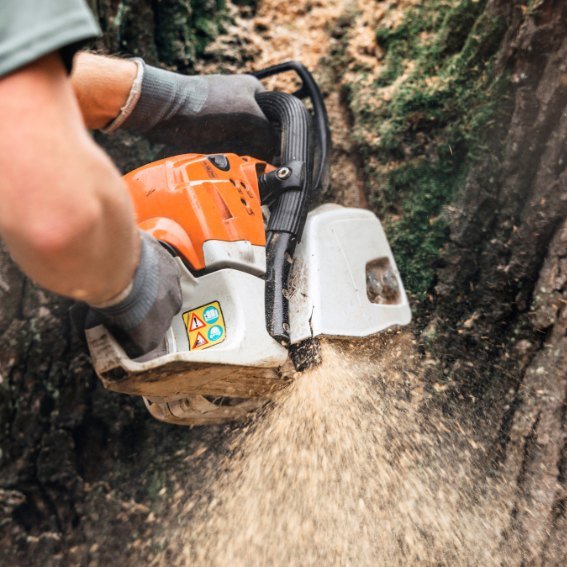
In today’s modern and advanced times, the importance of trees continues to grow with every passing day, especially in a busy and highly developed city like New York City, where buildings, traffic and pollution create constant and regular pressure. In such an environment, trees are not just a part of greenery; they play the main role of a natural system that purifies and cleans the air, controls temperature and provides a calm, attractive, charming and peaceful atmosphere for people. Still, to gain all these benefits, it is important to guarantee proper tree care, removal and maintenance. If trees are overlooked, they can become weak, fall victim to diseases and sometimes even turn dangerous and risk. This is why the demand for trusted and reliable tree services has increased greatly. Galvin Tree Cutting is a reliable and trustworthy name in this field, providing expert tree care, safe removal and long-lasting maintenance services. Their focus is not just on completing the job but on guaranteeing the health, safety and natural growth of every tree. Every tree has its own condition and accordingly, a proper treatment plan is developed. Importance of Reliable Tree Services: In city areas, tree care is not a simple task and plan because every tree faces many challenges. Pollution, limited space, construction activities and extreme weather conditions directly affect their health. Therefore, there is a need for reliable and skilled experts who can understand every situation and provide the right solution and option. Galvin Tree Cutting carefully and skillfully manages every project using their skills. They do not just work on the surface but also examine the inner health, roots and structure of the tree. This method guarantees that the tree not only survives but grows strong and healthy. Complete Tree Care Services: Tree care is not limited to trimming or watering; it is a complete method that includes surveys, disease control, trimming and maintenance. If these aspects are ignored, the tree slowly becomes weak. Galvin Tree Cutting provides complete tree care services where every tree experiences a detailed checkup. Leaves, branches, trunk and roots are all examined and a proper care plan is created. This improves the health of the tree and increases its lifespan. Expert Tree Removal Solutions: Sometimes trees become so weak or damaged that removal becomes the best choice. Still, tree removal is a risky method that should only be managed by experts, especially in city areas where buildings and roads are nearby. Galvin Tree Cutting provides safe and controlled tree removal services. First, a detailed survey of the tree is managed and then a plan is developed accordingly. Branches are removed step by step and the trunk is carefully and skillfully destroyed to stop any damage. This method guarantees maximum safety. Tree Cutting and Trimming Methods: Cutting and trimming are important parts of tree care. If trees are not trimmed regularly, their branches can overgrow, weakening their structure and creating risks and dangers for the environment. Galvin Tree Cutting uses expert cutting methods where dead, diseased and weak branches are removed. This helps maintain the balance of the tree and promotes healthy growth. Proper cutting and trimming also improve the shape, beauty and look of the tree, making it more attractive, elegant and charming. Soil Health and Root Care: The real and main strength of a tree lies in its roots and root health relies on the quality of the soil. In city areas, soil commonly becomes solid, preventing roots from receiving suitable nutrients and oxygen. Galvin Tree Cutting provides soil improvement and root care services. The soil is fizzy, nutrients are added and proper watering systems are guaranteed so that roots receive acceptable moisture. This method strengthens the overall growth of the tree. Disease Avoidance and Treatment: Trees are commonly affected by insects and diseases that can seriously damage their health. If these issues are not addressed in time, the tree may suffer permanent damage. Galvin Tree Cutting uses advanced disease prevention methods with eco-friendly treatments. Every disease is managed with a customized and personalized treatment plan based on the tree’s condition. This helps the tree recover quickly and remain protected from future risks and dangers. Emergency Tree Services: Sometimes storms, heavy winds or sudden incidents can damage trees, requiring quick action. Delaying in such situations can be dangerous and risky. Galvin Tree Cutting provides emergency tree services where a trained and skilled team responds quickly and manages damaged trees safely. This service protects both people and property while preventing more damage. Improving Property Value and Look: Well-maintained trees greatly improve the beauty of any property. Healthy and properly shaped trees make landscapes more attractive, increasing property value. Galvin Tree Cutting’s skilled services improve the overall look of properties. This creates a strong impression on buyers and visitors, making the property stand out in the market. A clean, maintained and organized landscape always attracts attention. Long-Lasting Maintenance and Sustainability: Tree care is an ongoing method that requires long-lasting maintenance. Without regular care, trees can weaken and develop many issues and difficulties. Galvin Tree Cutting provides long-lasting maintenance plans that include regular surveys and care. This method guarantees that trees remain healthy and strong while providing long-lasting environmental benefits. Sustainability is a main and important part of this plan. Environmental Benefits of Healthy Trees: Healthy trees are not only useful and beneficial for a single property but for the complete environment. They improve air quality, absorb carbon dioxide and maintain ecological balance. Galvin Tree Cutting also contributes to improving the environment. Every tree care project is a step toward a cleaner and greener environment. This method creates a positive impact for future generations as well. Conclusion: In conclusion, trusted and reliable tree services have indeed become a requirement in today’s urban environment, especially in areas like New York City, where trees face many challenges. Without proper care, timely removal and regular maintenance, it becomes difficult to maintain tree health. Galvin Tree Cutting, with its skills, professional method and advanced techniques, has become a
Affordable Tree Experts NYC | Complete Care, Cutting & Emergency Help
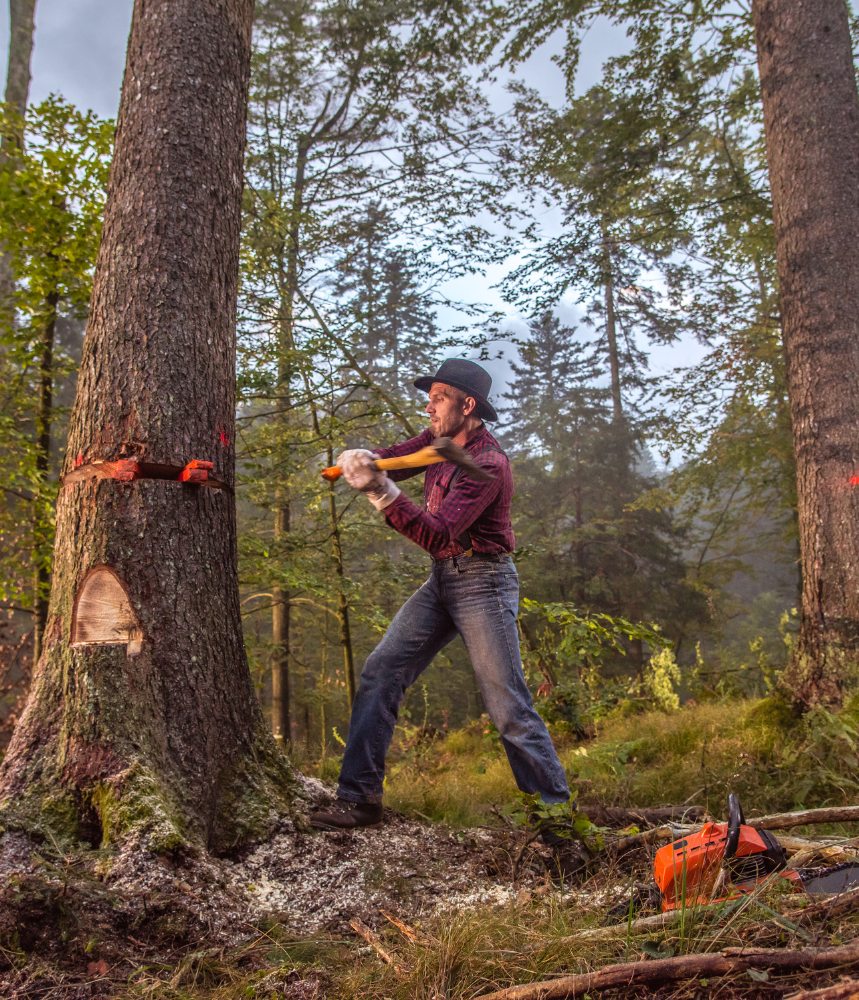
In today’s modern and advanced times, the importance of trees is increasing with every passing day, especially in a busy and highly developed city like New York City, where buildings, traffic and pollution create constant and regular pressure. In such an environment, trees are not just a part of greenery but play the main role of a natural system that purifies and cleans the air, controls temperature and provides people with a complete peaceful atmosphere. Still, to gain all these benefits, it is important to guarantee proper care, cutting and maintenance of trees. If trees are neglected and overlooked, they can become weak, fall victim to diseases and sometimes even turn dangerous and risky. This is why the demand for affordable and reliable tree experts has increased greatly, as people look for quality services at reasonable costs. Galvin Tree Cutting is a name famous and well-known for providing affordable tree care services in New York City. The company is not limited to basic and simple services but provides complete tree care, cutting and emergency help. Their focus is to provide high-quality service within the customer’s budget while guaranteeing that the health and safety of trees are never compromised. The Concept and Importance of Affordable Tree Services: Many people believe that skilled tree services are always expensive, which is why they delay proper care for their trees. Still, this mindset can lead to greater problems in the future. When tree maintenance is not done on time, the tree becomes weak, the branches start falling and sometimes the complete tree can collapse or fall, posing a danger to property and people. This is why the concept of affordable tree services is very important, as it allows people to access quality and excellent care without financial burden. Galvin Tree Cutting understands this need and designs its services in a way that customers can easily afford them. They provide personalized packages based on the condition of every tree, allowing homeowners to maintain their trees regularly and avoid future risks nd dangers. Complete Tree Care Solutions: Tree care is not a simple plan but a complete method that includes surveys, trimming, pruning, fertilization and disease control. If all these important and main aspects are not properly managed, the health of the tree slowly drops. Galvin Tree Cutting provides complete tree care solutions where every tree experiences a detailed inspection. Leaves, branches, trunk and roots are carefully and skillfully examined and a proper care plan is developed. This improves the overall health of the tree and keeps it strong, durable and stable in the long term. This complete method guarantees that trees not only survive but also reach their full potential. Skilled Tree Cutting Services: Tree cutting may look simple, but in reality, it is a very special and risky plan. In a city like New York City, where space is limited and buildings are close together, tree cutting must be carefully and successfully planned. Galvin Tree Cutting provides skilled cutting services where every tree is managed according to a specific plan. First, the tree is surveyed, then its structure and the nearby areas are examined and finally, a controlled cutting method is performed. This guarantees safety and avoids any damage to nearby property. The Importance of Cutting and Trimming: Cutting and trimming are important parts of tree care that improve both the health and appearance of trees. If trees are not trimmed regularly, their branches can overgrow, weakening their structure and increasing the risk and danger of accidents. Galvin Tree Cutting uses expert cutting methods to remove dead, diseased and weak branches. This helps maintain the balance of the tree and promotes healthy growth. Proper trimming and cutting also improve sunlight risk and air flow, which are very useful for trees. The Role of Emergency Tree Services: Sometimes, unexpected situations such as storms, strong winds or accidents can damage trees, requiring quick action. Delays in such situations can be very dangerous, as damaged trees can fall at any time. Galvin Tree Cutting provides emergency tree services with a trained and skilled team accessible 24/7. They respond quickly and safely remove or secure damaged trees. This service protects both people and property while avoiding more damage. In emergency management, both speed and safety are given equal importance. Soil Health and Root Support: The true and real strength of a tree lies in its roots and root health depends on the quality of the soil. In city areas, soil commonly becomes dense, preventing roots from receiving suitable nutrients and oxygen. Galvin Tree Cutting provides soil improvement and root care services. The soil is fizzy, nutrients are added and proper watering systems are guaranteed so that roots receive the required moisture. This method strengthens tree growth and makes it more maintainable and supportable. Centers for Disease Control and Prevention: Trees are commonly affected by insects, pests and diseases that can severely and seriously damage their health. If these issues are not addressed in time, the tree can become permanently weak. Galvin Tree Cutting uses advanced disease control methods with eco-friendly treatments. A customized and personalized treatment plan is created for every tree based on its condition. This helps trees recover quickly and remain protected from future risks and dangers. Property Value and Beautiful Improvement: Well-maintained trees improve the beauty of any property. Healthy and properly shaped trees make landscapes more attractive, charming and increase property value. Galvin Tree Cutting’s skilled services improve the overall look of properties. A clean and organized landscape creates a strong and powerful impression on buyers and visitors, making the property stand out in the market. This is not just an image improvement but also a smart investment. Long-Term Maintenance Plans: Tree care is an ongoing process that requires long-term planning. Without regular care, trees can become weak and develop many problems. Galvin Tree Cutting provide long-term maintenance plans that include regular inspections and care. This method guarantees that trees remain healthy and strong while increasing their lifespan. Proactive care helps prevent future
How Do You Trim a Bradford Pear Tree
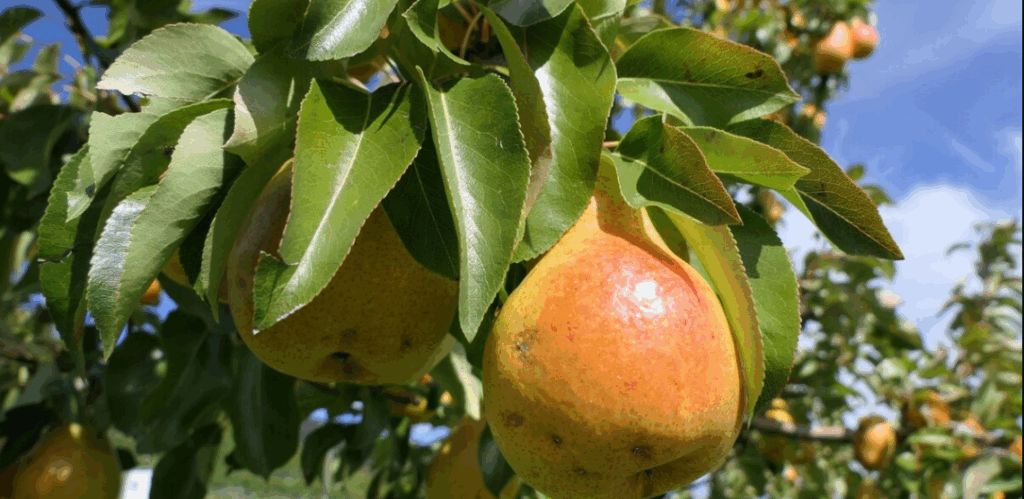
How Do You Trim a Bradford Pear Tree Bradford pear trees are infamous for their fast growth and their equally fast downfall. If you have got one in your yard, you might have probably wondered: How do you trim a Bradford pear tree without it splitting in half later? The secret lies in trimming during the dormant period and understanding how to trim correctly. In this comprehensive guide, you will get to know which season is best for trimming and how to trim trees professionally to secure your landscapes. We will also tell you some common mistakes to avoid to keep your Bradford Pear healthy for years to come. What Is a Bradford Pear Tree? The Bradford pear tree is a cultivar of the Callery pear. It was originally introduced in the U.S. in the 1960s. They became super popular because they grow really fastand bloom with bright white flowers in spring, thereby looking neat and uniform. But Bradford pears are weak as well. They form narrow, V-shaped branch unions that are prone to breaking, especially during storms. This is why trimming isn’t optional. It is essential. If you skip it, you are waiting for a limb to crash onto your driveway. Why It’s Important to Trim a Bradford Pear Tree Bradford pear trees are genetically doomed to break apart if not managed carefully. It prevents structural failure by reducing pressure on weak limbs. By removing dead, diseased, or rubbing branches, you can shape your tree and balance it. Moreover, you can protect your property from falling limbs. When to Trim a Bradford Pear Tree The best time to trim a Bradford pear tree is late winter or early spring. The tree is dormant, but before new growth starts. Why? So, avoid trimming in fall. It encourages new growth too close to winter.And don’t prune when it’s flowering. You will stress the tree and ruin the blooms. Tools You Will Need to Trim a Bradford Pear Tree Don’t show up with kitchen scissors. Use the basic gear you will need: Step-by-Step: How Do You Trim a Bradford Pear Tree Properly? This is where it gets real. Let’s walk through the exact steps you need to follow when trimming your Bradford pear tree. Step 1: Inspect the Tree’s Structure First, start by standing back and looking at your tree from all angles. Look for weak V-shaped joints where branches split and dead or diseased limbs. Suckers growing at the base or vertical sprouts up top. If a branch looks sketchy, it probably is. Step 2: Start From the Bottom Trim the suckers growing from the base of the trunk. These shoots drain energy and do nothing useful. Next, remove water sprouts. These are thin vertical branches that shoot straight up from main limbs. Both of these are tree clutter. Get rid of them. Step 3: Cut Problem Limbs Now look for branches that are: Cut those back to the branch collar. This is the area that is slightly raised where a limb joins the trunk or a larger branch. Never cut flush with the trunk and never leave a long stub. This helps the tree heal faster and avoids rot. Step 4: Thin the Crown Now we shape the inside. This step is called crown thinning. This technique helps light and air move through the canopy. Remove no more than 25% of the tree’s branches and focus on even spacing between limbs. You can keep dominant branches with good angles. But make sure to avoid stripping one side more than the other, as you are not trying to gut the tree, just giving it room to breathe. Step 5: Shape the Tree This is the finesse work. Bradford pears tend to grow in weird directions if left alone. You want to encourage a strong central leader, which is the main vertical trunk. To do this, remove branches that compete with it. Then balance the tree by trimming overly long or heavy branches that throw off the symmetry. Don’t aim for perfection, but just prevent imbalance. Common Mistakes When Trimming Bradford Pear Trees Most people mess this up. Do not do the following to get flawless results: 1. Topping the tree Never top a Bradford pear. Topping means chopping off the top section of the tree flat. It will destroy the natural shape of your tree and encourage weak regrowth. Moreover, it will make your tree prone to diseases as the wounds are open. Yes, it might look like a quick fix, but it leads to long-term damage. 2. Removing too much at once If you remove more than 25% of the branches in a single season, you will shock the tree and slow down growth. Additionally, it will make it vulnerable to pests and heat. You can spread heavy trimming out over 2-3 years if needed. 3. Cutting at the wrong place Avoid cutting too close to the trunk and too far out (stub and flush cuts). Always cut just outside the branch collar so it heals naturally. 4. Ignoring structural pruning in early years If you don’t shape the tree while it is young, it will form narrow crotch angles, competing leaders, and dense, messy canopies. Start shaping from year one, and your trees will thank you. How do I Prevent Splitting in Mature Bradford Pear Trees Bradford pears split like it’s their job. 1. Focus on strong branch angles Cut out any limb that forms a tight V-shape. These are the ones most likely to split whereas you can keep limbs that form 45–60 degree angles. They are much stronger. 2. Prune for structure every year Annual structural pruning in late winter distributes weight evenly and increases the lifespan of your tree. Don’t skip a season just because the tree looks “fine.” 3. Lighten heavy limbs If a branch is stretching too far or sagging, remove the outer sections to reduce weight. 4. Consider tree cabling (as a last resort) For large Bradford pears with multiple trunks, certified
What to Do If a Tree Falls on Your Property

What to Do If a Tree Falls on Your Property Thud! Imagine that a massive crashing sound shakes your whole house. You wonder what it could be and look outside the window. And there it is— that unstable leaning tree has fallen in your yard, or the worst possible scenario is on your property. Devastating to see, isn’t it? What now? Don’t worry, as we have made this blog for you. In this article, we will know what exactly to do if a tree falls on your property, and who is responsible for it. Further, we will discuss what insurance covers for you and why not calling a professional can cost you in thousands. What to Do If a Tree Falls on Your Property? So you have just heard deafening noises and you find to know it’s your tree that has fallen across your lawn. First things first! You have to do this: Don’t panic. Check for injuries. Safety is important. Make sure no one is hurt and there are no pets in the surroundings. You can use cones, tapes and chairs to keep people away from the affected area. Look for hazards. Is the tree touching the electrical lines? Is the underground utility system working fine? No gas leakage problems. Who to call for what damage? For trees that are tangled in power lines- call the utility companies For any gas leaks, call the fire department. Call 911 immediately in case of any other safety hazard. If your tree landed on your house, vehicle, or even garage, don’t enter the area. There could be any structural damage you can’t see. Who Is Responsible If a cc on Your Property? Now this is the part where things can get messy. If the tree was on YOUR property: Then it is your responsibility to deal with it even if it fell during a storm. If it were your NEIGHBOR’S tree: It depends on one word—negligence. If a tree is healthy enough to fall as a result of wind or rain, then your neighbor is guilty of nothing. But if it might have been rotting, leaning, or dead and you might have warned them about it, they might be liable. But here’s the kicker: Insurance companies generally call storms an “Act of God,” which means that, in the long run, every property owner takes care of his or her damage, regardless of which tree it was attached to. Unless there’s a case of negligence proved (such as emails or warnings), you’re likely on your own footing for the bill. ➤ If it hits power lines: The utilities company is responsible for line repairs. You will have to deal with the damage unless told otherwise. ➤ Shared fences or boundary trees: Homeowners should consult their local cities or HOA rules. Sometimes, it goes 50-50. When in doubt, get legal advice. Neighbor’s Tree Fell on My Property — What Should I Do? No one wants to start a feud in this awkward situation. Handle this by the following steps: Make sure to take lots of clear pictures of the fallen tree from every angle. Be sure to include pictures of the base of the trunk as well—was it rotten or hollow? If you have warned them sometime before, get that warning text, e-mail, or letter. Stay calm and explain that you are contacting your insurance. Don’t accuse them; just document the situation. You can also file a claim with the insurance company. All you have to do is to submit the evidence and wait for the adjuster to look at the damaged tree before it is removed. If it’s the mistake by the neighbour, the insurance company might go after theirs through subrogation. Does Insurance Cover Tree Damage? Now to the money part. Homeowners insurance policies commonly cover structural damage to your dwelling, damage to fences, garages, sheds, and decks, and for some limited removal of trees (provided that the tree has damaged a covered structure). The costs usually range from $500 to $1,000. Not covered by insurance companies: If the tree fell without causing damage of any kind. If you removed the tree before the adjuster arrived. Damage to your lawn or garden decor. Damage to your neighbor’s property (they’ll have to file their own claim). Always take photos and obtain permission from your insurer before removing any tree. When to Call a Certified Arborist or Tree Removal Service If you are seeking a DIY option: One must call a professional for safe tree removals. DIY is not a feasible option as a person can cause even more damage to their properties, and the insurance won’t even cover it. If you are a homeowner, with prior experience and equipped with the specific arboricultural tools like saws and climbing gear, you can carry out a removal. You might be able to handle it if it’s less than 5 ft and is not in the vicinity of power lines. However, it is not only about safety always, it is also about liability. Often, regulatory laws do not allow a person without a certificate to handle their trees. So always confirm with the local authorities. Choosing a Professional service: Seek a professional tree company if your tree is large, leaning dangerously. If it has fallen on a structure, don’t risk it and contact a certified arborist or a licensed tree Falls removal company immediately. Why so? They cut the right way, so there will be no more damage to your home and surrounding vegetation. Professionals have designated trucks for quickly lifting, hauling, and grinding trees. They provide a written assessment, which assists with the insurance claim. Arborists have years of experience in handling all kinds of trees. They will make sure you don’t get hurt. Also, remember to check: A proof of insurance Certification or licensure References or reviews A detailed estimate that should be emphasized in writing Cost to Remove a Fallen Tree Tree removal costs can sneak up on you. Tree Size/Type Cost