Trees naturally lose branches as they grow, age, and respond to environmental conditions. While a few dead branches may seem harmless, leaving deadwood in a tree can create safety hazards, encourage disease, and reduce the tree’s overall health. Professional deadwood removal is a preventive tree care service that improves tree vitality while protecting nearby people and property.
What Is Deadwood?
Deadwood refers to branches that are no longer alive and no longer receive water or nutrients from the tree. These branches eventually become dry, brittle, and unstable.
Deadwood can develop because of:
- Natural aging
- Storm damage
- Disease
- Insect infestations
- Drought stress
- Poor growing conditions
Removing these branches helps the tree remain healthier and safer.
Reduce the Risk of Falling Branches
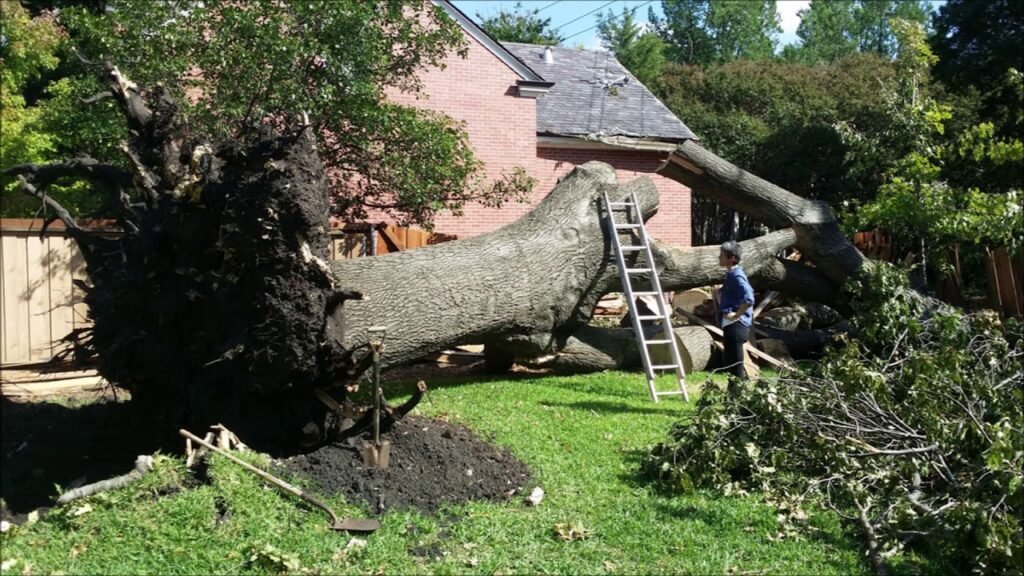
Dead branches are much more likely to break without warning. Even on calm days, dry limbs can fall because they have lost their structural strength.
Removing deadwood helps protect:
- Homes
- Vehicles
- Walkways
- Patios
- Outdoor seating areas
- People and pets
Preventive maintenance significantly reduces the chance of unexpected accidents.
Improve Tree Health
Dead branches no longer contribute to a tree’s growth, but they can still attract insects and create entry points for diseases.
Professional deadwood removal helps:
- Improve air circulation
- Encourage healthy growth
- Reduce disease spread
- Allow nutrients to support living branches
Healthy trees are better equipped to recover from environmental stress.
Increase Storm Resistance
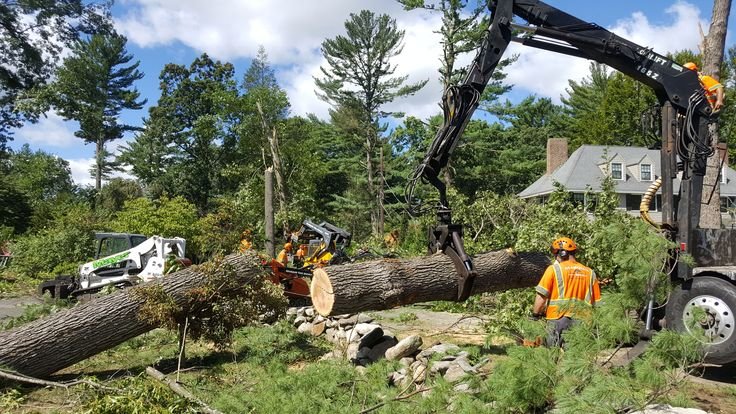
Strong winds, heavy rain, and snow place extra weight on dead branches. Because these limbs are already weak, they often become the first parts of the tree to fail during severe weather.
Removing deadwood before storm season strengthens the tree and lowers the risk of storm-related damage.
Enhance the Appearance of Your Landscape
Dead branches can make even a healthy tree look neglected. Removing them creates a cleaner, fuller canopy and improves the overall appearance of your property.
Well-maintained trees contribute to:
- Better curb appeal
- Healthier landscapes
- Higher property value
- More attractive outdoor spaces
Support Wildlife Safely
While some deadwood can provide habitat in natural forests, dead branches on residential or commercial properties often pose unnecessary risks.
Professional tree care balances environmental considerations with public safety by removing hazardous deadwood while preserving healthy tree structure.
When Should Deadwood Be Removed?
Homeowners should consider scheduling an inspection if they notice:
- Large dead limbs
- Branches without leaves during the growing season
- Cracked or brittle branches
- Branches hanging over structures
- Frequent falling twigs
Early removal helps prevent larger problems later.
Why Hire Professional Tree Specialists?
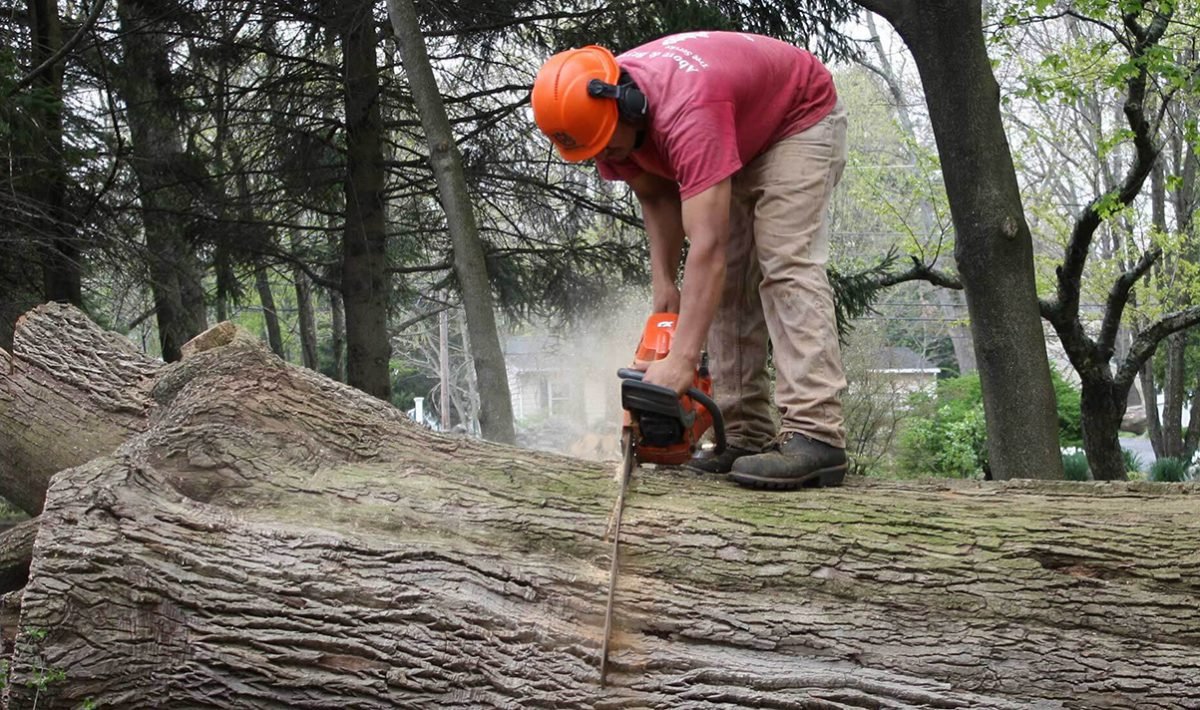
Removing deadwood often requires climbing, specialized equipment, and knowledge of proper pruning techniques. Professionals know how to remove hazardous branches safely without damaging the healthy parts of the tree.
They can also identify underlying issues that caused the branch to die and recommend additional maintenance if necessary.
Conclusion
Deadwood removal is one of the simplest and most effective ways to improve tree safety and long-term health. By removing brittle branches before they fall, homeowners can reduce risks, prevent disease, and maintain beautiful, healthy trees throughout the year. Regular inspections and professional maintenance ensure your trees continue to thrive while protecting your property and everyone around it.