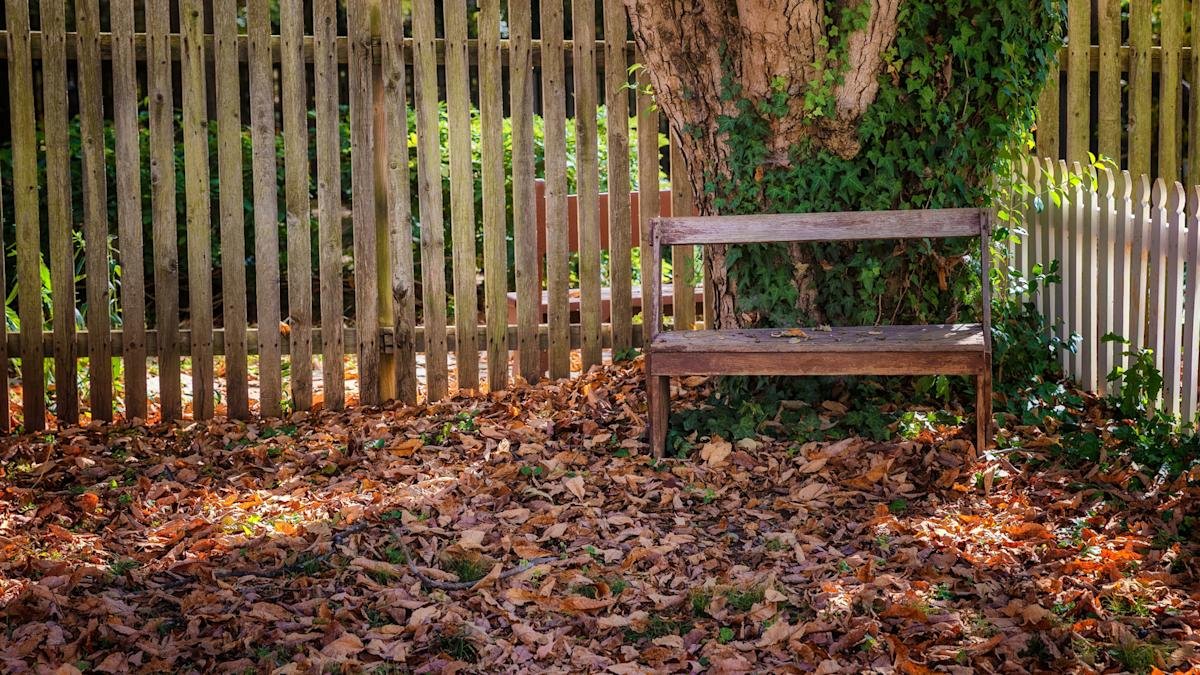
Many property owners assume that if several trees are growing close together, they can all be maintained the same way. In reality, every tree has its own root system, growth pattern, structural condition, and maintenance needs. Treating neighboring trees as a single unit can lead to poor growth, safety hazards, and unnecessary tree loss. A professional evaluation ensures each tree receives the care it requires.
Every Tree Competes for Resources
Even when trees appear to grow together, they compete for the same essential resources, including:
- Water
- Sunlight
- Soil nutrients
- Root space
If one tree becomes unhealthy or overly dominant, nearby trees may struggle to receive enough resources to remain healthy.
Different Species Require Different Care
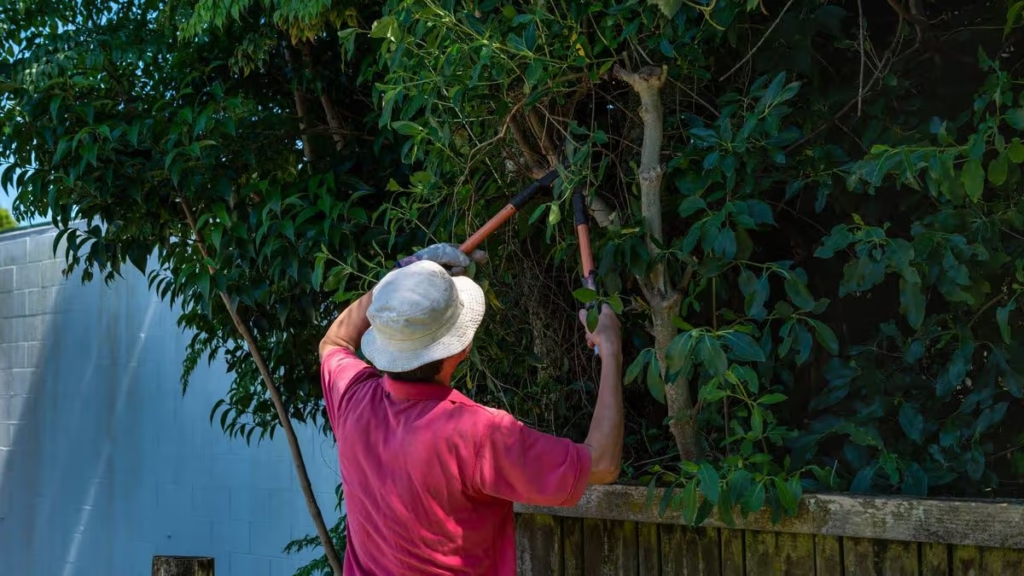
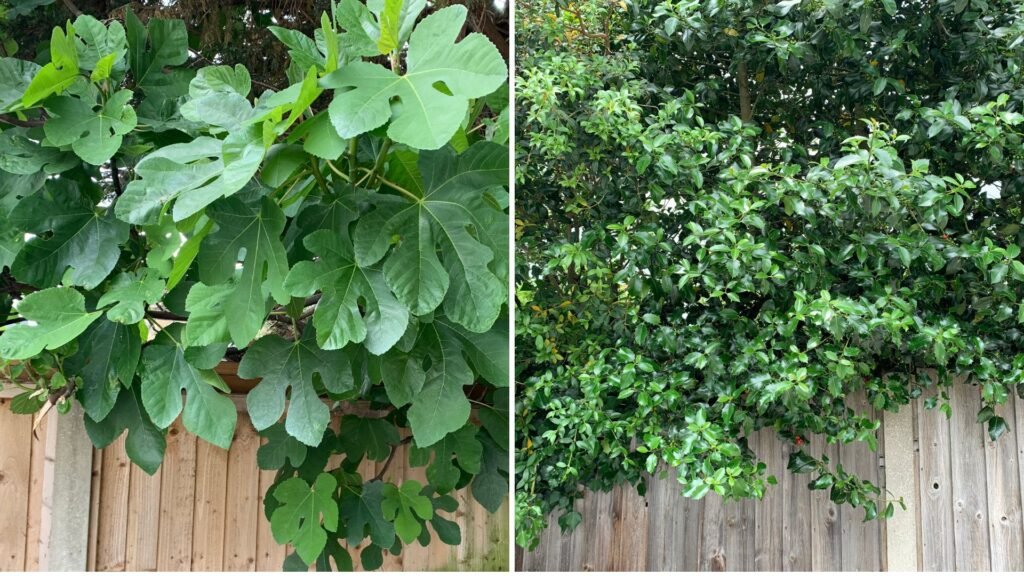
Not all trees grow at the same rate or respond to pruning in the same way. Some species require seasonal pruning, while others should only be trimmed during dormancy.
Applying the same maintenance schedule to every tree can:
- Slow healthy growth
- Increase disease risks
- Create weak branch structures
- Reduce flowering or foliage quality
Professional tree care considers the unique needs of each species.
Crowded Canopies Can Hide Problems
When tree canopies overlap, it’s easy to overlook structural issues hidden beneath the foliage.
Common problems include:
- Broken branches
- Dead limbs
- Branches rubbing together
- Fungal growth
- Insect damage
Routine inspections help identify these issues before they become major hazards.
Root Competition Can Affect Stability
Trees planted too closely together often develop competing root systems. Over time, this competition may weaken one or more trees, especially during drought or severe weather.
Professional evaluations can determine whether selective pruning, soil improvements, or tree removal is needed to maintain a healthy balance.
Disease Can Spread Between Nearby Trees
Trees growing close together are more likely to spread fungal diseases and insect infestations through root systems, touching branches, or airborne spores.
Early identification allows professionals to isolate affected trees before nearby healthy trees become infected.
Proper Spacing Improves Long-Term Health
As trees mature, overcrowding becomes a larger issue. Selective pruning or, in some cases, removing one declining tree can improve:
- Sunlight penetration
- Air circulation
- Root development
- Overall tree health
- Landscape appearance
Giving healthy trees more space often extends their lifespan.
Customized Care Produces Better Results
Instead of using the same maintenance plan for every tree, professional arborists evaluate each one individually.
They consider:
- Tree species
- Age
- Structural condition
- Growth rate
- Location
- Surrounding landscape
This customized approach helps preserve healthy trees while reducing unnecessary risks.
Benefits of Individual Tree Assessments
Regular evaluations provide several long-term advantages:
- Healthier tree growth
- Earlier disease detection
- Improved storm resistance
- Better landscape appearance
- Reduced safety hazards
- Lower long-term maintenance costs
Conclusion
Although neighboring trees may appear similar, each one has unique needs that require individual attention. Professional tree care focuses on the health, structure, and condition of every tree rather than applying a one-size-fits-all approach. By evaluating trees separately, property owners can promote healthier growth, reduce safety risks, and maintain a stronger, more attractive landscape for years to come.